Only 1 in 4 U.S. adults trust creators to always disclose brand deals, survey finds
69% want paid posts disclosed, per Morning Consult. Gen Z doubts creators far less than Boomers do, yet 23% of Gen Z say disclosure isn't needed.
The tea in 3
- In Morning Consult's poll for Business Insider, 69% of U.S. adults want paid posts disclosed; only 1 in 4 think creators do.
- 53% of Boomers say creators rarely or never clearly disclose paid deals, versus 21% of Gen Z, per Business Insider.
- SheSpeaks found 14% of creators don't always disclose. Tubefilter reports 23% of Gen Z say disclosure shouldn't be required.
Only about one in four U.S. adults think creators consistently disclose paid brand deals, according to a Morning Consult survey of 2,003 adults for Business Insider, fielded Sept 23-24. Yet 69% say creators should disclose paid promotions. Business Insider published the results on Nov 6, and Tubefilter covered them on Nov 8.
How do Gen Z and Boomers differ on disclosure?
Business Insider reports that 53% of Boomers say influencers rarely or never clearly disclose paid deals, versus 21% of Gen Z. Morning Consult’s own summary says Gen Z and Millennials are far more likely to trust creator recommendations (62% and 64%), while only 31% of Boomers do.
Younger people are also the ones who think disclosure shouldn’t be mandatory more often. Tubefilter, citing the Morning Consult data, reports that 23% of Gen Z, 22% of Millennials, 18% of Gen X and 12% of Boomers say creators should not have to disclose paid sponsorships at all. Across all age groups, most respondents still said yes, they should.
Tubefilter speculated that those younger respondents grew up around online side hustles and may see a disclosure as a drag on a quick sponsored video. That is the outlet’s guess, not something the survey measured.
Do creators admit to skipping disclosure?
Business Insider cites a separate SheSpeaks survey in which 14% of creators said they don’t always disclose brand ties, and 18% said a brand had explicitly asked them in the past year not to disclose a partnership. Those figures come from a different group of people and a different poll, so they shouldn’t be read as a direct match for the Morning Consult numbers.
Business Insider also quotes Emily Steele, CEO of the creator marketing platform Hummingbirds, who blames the distrust on creators whose feeds are mostly sponsored posts: “Why would I, as a follower, trust you when I feel like all you post is a paid brand deal?” Leila Marsh of The Drive Agency told the outlet that older viewers may only notice a “hashtag partner” label when they scroll past it.
Morning Consult’s summary says finding out that content is paid makes people in every age and income group trust it less. Creators and brands have a reason to disclose clearly, and viewers have a reason to look for it.
What do U.S. rules say about disclosing a sponsorship?
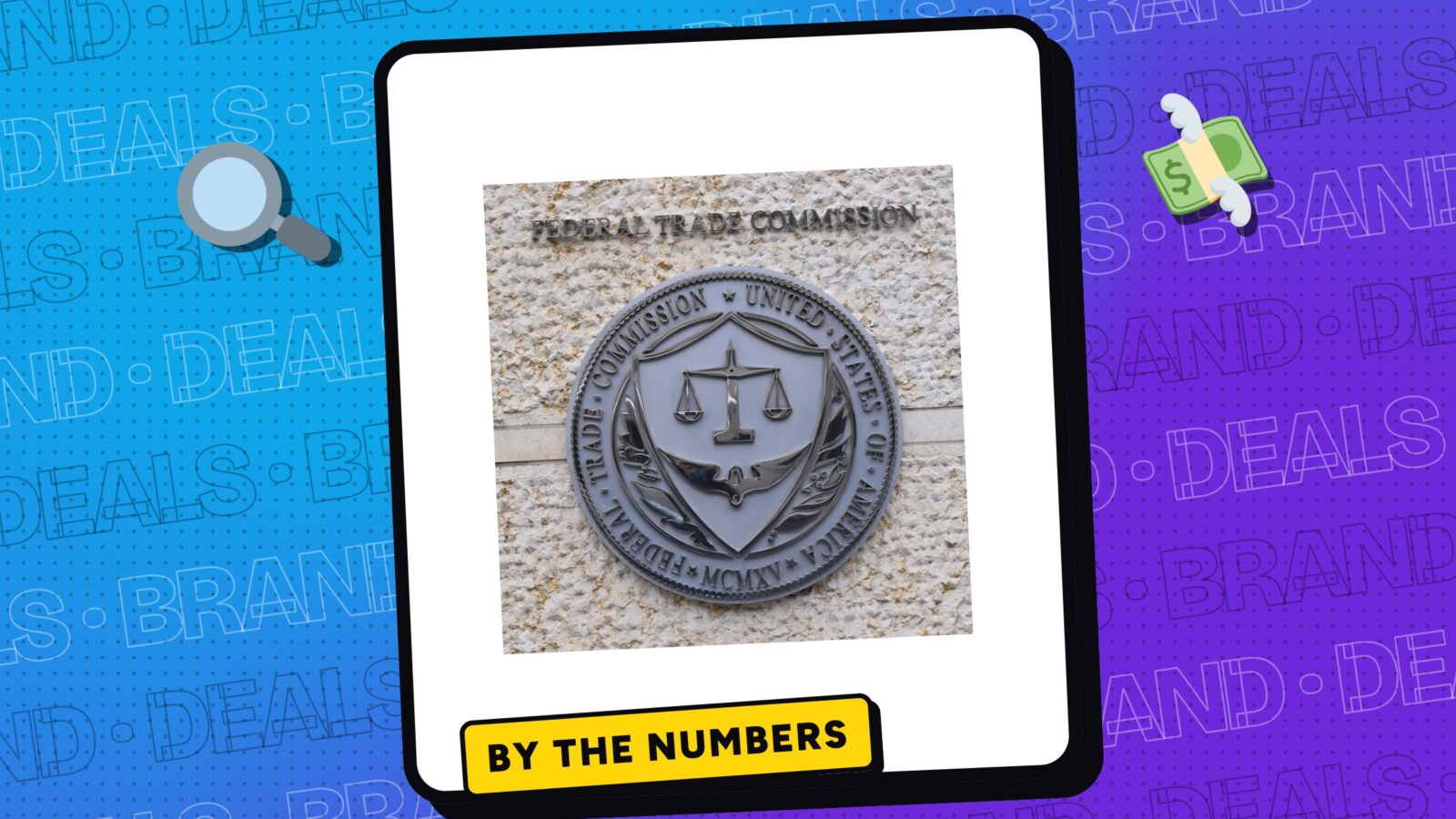
The Federal Trade Commission’s Endorsement Guides, 16 CFR 255.5, say a connection between an endorser and a seller that might materially affect how much weight the audience gives the endorsement must be disclosed “clearly and conspicuously” if viewers wouldn’t reasonably expect it. The text lists monetary payment and free or discounted products, even unrelated ones, as examples of material connections. It also lists early access to a product and the chance of winning a prize.
In practice, a viewer can use that language as a checklist. If a creator got paid, got the product free, or has some other deal with the seller, that should be said in a way you can actually see. This is a summary of the regulation’s wording, not legal advice for creators.
How can you read a sponsored post?
- Look for the label where you watch: in the video or caption itself, not buried in a profile.
- Treat free products and gifted trips as a connection, not only cash.
- Check whether the creator talks about the brand in other posts, or only in paid ones.
Business Insider puts creator ad spending at $44 billion in the U.S. this year, per the Interactive Advertising Bureau, more than triple five years ago. With that much money moving, the trust gap is likely to stay a topic for brands.
The survey does not name individual creators, and it measures what people believe about creators in general, not how often any of them actually disclose.
Poll
When you see a sponsored post, do you check for the disclosure?
Your reaction?
Receipts
Where this story comes from. We link primary posts and the outlets that reported them.
- Morning Consult — Morning Consult-Business Insider Exclusive Survey Analyzes Influencer Trust and Authenticity 2026-10-16
- Business Insider — Audiences don't trust creators to come clean about brand deals 2026-11-06
- Tubefilter — Just a quarter of U.S. adults trust creators to always disclose brand deals 2026-11-08
- eCFR (FTC Endorsement Guides) — 16 CFR 255.5 Disclosure of material connections 2026-11-10
Something wrong or missing? Send a correction · How we report
What are we missing?
What makes a sponsorship disclosure easy to notice in a video or post, and where have you seen it done well?
Keep it about the story. No personal attacks, private information or speculation about minors. Every comment is reviewed before it appears. Discussion rules
No published questions yet. You can start with one.

Leave a question or comment